

Baccarat Edge Sorting: How It Works, Who Did It, and Why Courts Shut It Down
In 2012, poker legend Phil Ivey and his partner Kelly Sun walked into the Borgata in Atlantic City, sat down at a punto banco table, and walked out $9.6 million richer. A few weeks later, they pulled the same move at Crockfords Casino in London for another £7.8 million. Their weapon wasn’t a rigged deck or a hidden camera.
It was baccarat edge sorting, a technique that turns tiny manufacturing flaws on the backs of playing cards into a roadmap for predicting what’s coming next. Both casinos fought back hard, and the legal fallout lasted nearly a decade. This is the full story of how edge sorting works, who perfected it, and why every court that heard these cases sided with the house.
- Edge sorting exploits tiny asymmetries on card backs to identify high-value cards before they’re dealt, giving players a significant mathematical advantage in baccarat
- Phil Ivey and Kelly Sun won roughly $22 million across two casinos using edge sorting in 2012, but courts in both the US and UK ruled against them
- The technique requires a specific card brand with manufacturing defects, a cooperative dealer willing to rotate cards on request, and an automatic shuffler that preserves card orientation
- Edge sorting is considered cheating under UK law (Gambling Act 2005) and a breach of contract under US law, regardless of whether the player intends to deceive
- Modern casinos have adopted countermeasures including symmetrical card designs, frequent deck rotations, and stricter policies on player requests during play
What Is Baccarat Edge Sorting?
Edge sorting is an advantage play technique where a player identifies and exploits subtle asymmetries on the long edges of playing cards. Most people assume every card in a deck looks identical from the back. They don’t. Many manufacturers produce cards with back designs that aren’t perfectly symmetrical. One long edge might have a slightly different pattern than the other. The difference is almost invisible to the untrained eye, but someone who knows what to look for can tell whether a card has been rotated 180 degrees.
Here’s why that matters in baccarat. If you can distinguish high-value cards (6s, 7s, 8s, and 9s) from low-value ones before they’re dealt, you can predict whether the Player or Banker hand is more likely to win. That information flips the house edge from the casino’s favor squarely into yours.
The catch? You can’t just sit down and start reading card backs. The technique requires a very specific setup that has to be arranged before play begins.
If you’re still learning the fundamentals of the game, our how to play baccarat guide covers the basics you’ll need to understand before any of this makes sense.
How Edge Sorting Actually Works: Step by Step
Most explanations of edge sorting stay vague. Let’s fix that. The technique has four distinct phases, and each one depends on the previous step going exactly right.
Phase 1: Identifying the Right Cards
Not every deck of cards is exploitable. The edge sorter needs a brand where the back design has a noticeable (to the trained eye) asymmetry along the long edge. Gemaco cards, used at both the Borgata and Crockfords in 2012, had exactly this flaw. One long edge of the back pattern had a half-diamond cut, while the opposite edge was a full diamond. That single difference was enough.
Phase 2: Getting Cards Rotated
This is where the social engineering comes in. During play, the edge sorter asks the dealer to rotate certain cards 180 degrees. The excuse? Superstition. “That’s a lucky card, can you turn it around for good luck?” Dealers at high-roller tables are trained to accommodate VIP requests within reason, and rotating a card seems harmless.
The key is selectivity. The player only asks for high-value cards (7s, 8s, 9s) to be rotated. Low-value cards stay as they are. After enough hands, the deck becomes “sorted”: all high-value cards face one direction, while low cards face the other.
Phase 3: Preserving the Sort
Here’s the critical detail most people miss. The player must request an automatic shuffling machine rather than a hand shuffle. Why? An automatic shuffler maintains the orientation of each card. A hand shuffle would rotate cards randomly, destroying the sort.
The player also insists on using the same shoe for the entire session. No deck changes. No new cards. Every swap resets the work that’s been done.
Phase 4: Exploiting the Information
Once the deck is sorted, the player can see the long edge of the first card in the shoe before it’s dealt. That tells them whether it’s a high or low card. Combined with knowledge of baccarat odds and third-card drawing rules, this information lets the player make statistically superior bets on Player, Banker, or even certain side bets.
The estimated edge gained through successful edge sorting is somewhere between 6% and 10% in the player’s favor. Compare that to the standard Banker bet house edge of 1.06% against you, and you can see why Ivey walked away with millions.
Phil Ivey and Kelly Sun: The $22 Million Story
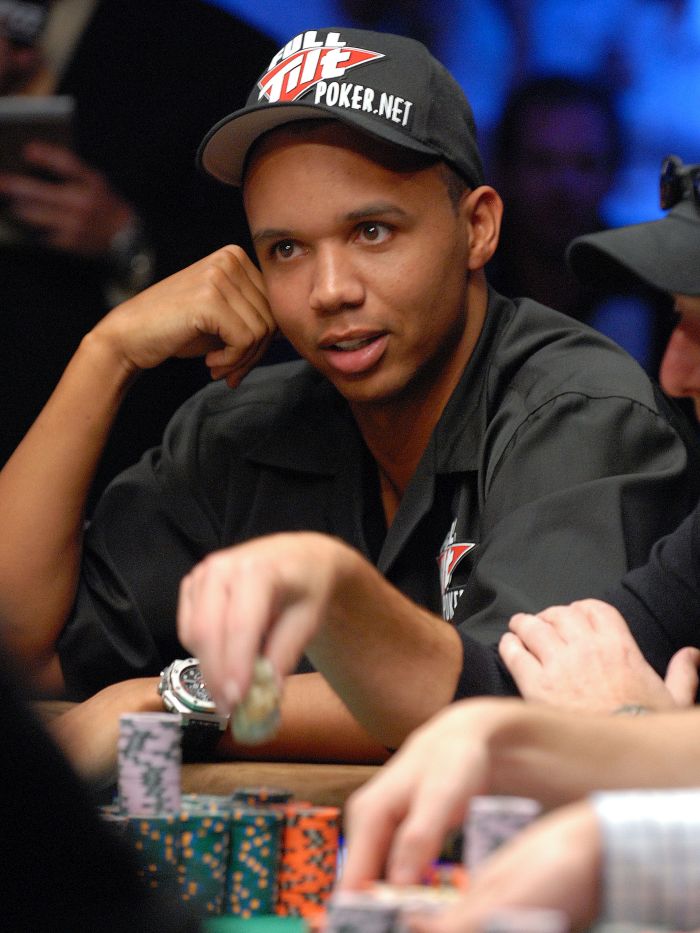
No conversation about edge sorting is complete without the two people who made it famous. Phil Ivey, widely considered one of the greatest poker players alive, and Cheung Yin “Kelly” Sun, a Chinese-born gambler with an extraordinary ability to read card-back patterns, teamed up in 2012 for a run that would become gambling legend.
The Borgata Sessions
Ivey contacted the Borgata in Atlantic City to arrange private baccarat sessions. He wired $1 million in front money and made specific requests: Gemaco playing cards, an automatic shuffler, the same deck for the entire session, and a $50,000 maximum bet per hand. The Borgata agreed to everything. They wanted Ivey’s action. High rollers are high value, and the casino assumed the math would work in their favor over time.
It didn’t. Across four sessions between April and October 2012, Ivey and Sun won $9.6 million at the baccarat tables. Ivey then took his winnings to the craps tables and added another $560,000. The Borgata paid out every dollar.

The Crockfords Session
Between Borgata visits, the pair traveled to Crockfords Casino in London’s Mayfair district. They played punto banco (the European name for standard baccarat) at stakes reaching £150,000 per hand. In less than 24 hours, they were up £7.8 million, roughly $12 million at the time.
Then the casino changed the deck. Ivey and Sun immediately stopped playing, collected a receipt for their winnings, and left. Crockfords reviewed the surveillance footage, grew suspicious, and refused to wire the money. They returned Ivey’s £1 million deposit but kept the winnings.
If you’re curious about other famous baccarat players and their strategies, the Ivey story is just one chapter in a long history of players testing the boundaries of the game.
The Legal Battles: What the Courts Decided
The money was won. The question became: could it be kept? Two separate legal battles played out on two continents over the next eight years. Both ended badly for Ivey and Sun.
Ivey vs. Crockfords (UK)
Ivey sued Crockfords in 2014 after they withheld his £7.8 million. He argued he played within the rules and simply outsmarted the casino. The High Court disagreed. The case went to the Court of Appeal, which also ruled against Ivey, and finally to the UK Supreme Court in October 2017.
All five Supreme Court justices rejected Ivey’s appeal. Justice Anthony Hughes wrote that Ivey had “staged a carefully planned and executed sting.” The court ruled that under the Gambling Act 2005, cheating doesn’t require dishonest intent. Simply interfering with the process of a game is enough.
Borgata vs. Ivey (US)
The Borgata sued Ivey in 2014 for $15.6 million, including winnings, comps, and projected casino profits lost. US District Judge Noel Hillman threw out the fraud charges but found that Ivey and Sun breached their contract to play by the rules. In 2016, Ivey was ordered to repay $10.1 million.
The aftermath got messy. Ivey’s New Jersey bank accounts were empty. The Borgata chased his assets across state lines. At the 2019 World Series of Poker, Borgata seized $124,410 of Ivey’s tournament winnings. In 2020, the two sides finally reached a confidential settlement.
| Case | Casino | Amount at Stake | Court Ruling | Year Resolved |
|---|---|---|---|---|
| Ivey vs. Crockfords | Crockfords, London | £7.8 million (~$12M) | Edge sorting = cheating; casino keeps winnings | 2017 |
| Borgata vs. Ivey | Borgata, Atlantic City | $10.1 million | Breach of contract; ordered to repay | 2020 (settled) |
What the Rulings Mean for Players
The legal precedent is now clear on both sides of the Atlantic. In the UK, edge sorting falls under the legal definition of cheating, even without intent to deceive. In the US, it’s a breach of the contractual obligation to play within established rules. Either way, if you get caught, you lose.
Edge Sorting vs. Card Counting in Baccarat
If you’ve read about baccarat card counting, you might wonder how edge sorting compares. The short answer: they’re completely different techniques with vastly different results.
Card counting in baccarat tracks which cards have been played to estimate what’s left in the shoe. It’s mathematically sound but practically useless because the edge gained is microscopic, often less than 0.2%. Most serious players agree that the effort isn’t worth the tiny advantage.
Edge sorting, by contrast, can produce a player edge of 6% to 10%. That’s enormous. It’s the difference between slowly grinding through sessions hoping to break even and printing money hand over hand.
| Factor | Card Counting | Edge Sorting |
|---|---|---|
| Player Edge Gained | ~0.1% to 0.2% | ~6% to 10% |
| Setup Required | None (mental tracking) | Specific cards, auto-shuffler, cooperative dealer |
| Legality | Generally legal | Ruled cheating (UK) / breach of contract (US) |
| Practical Viability | Extremely low | High when conditions are met |
| Detection Risk | Low | High (requests raise red flags) |
The fundamental difference is that card counting uses information that’s freely available to everyone at the table. Edge sorting requires actively manipulating the game environment through card rotation requests and deck preservation. That manipulation is what courts found problematic.
For a broader look at advantage play options, check out our guide to winning strategies for baccarat.
Casino Countermeasures Against Edge Sorting
Casinos didn’t just sit around after the Ivey cases. The industry responded with multiple layers of protection, and most of these countermeasures are now standard at major properties worldwide.
Card Design Changes
The most obvious fix was going straight to the source. After Borgata sued card manufacturer Gemaco for producing a “defective product,” manufacturers began designing cards with symmetrical back patterns. If both long edges look identical, there’s nothing for an edge sorter to read.
Deck Management Protocols
Casinos tightened rules around deck usage. Frequent deck changes, sometimes every shoe, prevent anyone from building a sorted deck over time. Some properties now refuse player requests to keep the same cards in play.
Table Procedure Updates
Dealers at most high-end properties are now trained to recognize edge sorting indicators: players asking for specific card rotations, insisting on automatic shufflers, or requesting the same deck throughout a session. These requests, individually harmless, form a pattern that surveillance teams know to flag.
- Symmetrical card-back designs from manufacturers eliminate the asymmetry edge sorters exploit
- Automatic deck rotation policies prevent sorted decks from persisting across multiple shoes
- Dealer training programs teach staff to recognize and report suspicious player requests
- Enhanced surveillance specifically monitors high-roller baccarat sessions for advantage play indicators
- Older card stock from pre-2013 manufacturers may still circulate at smaller venues
- Not all casinos have updated their deck management protocols
- High-roller accommodations create pressure to accept unusual player requests
- Private gaming rooms have less oversight than main floor tables
If you play at reputable online baccarat sites, edge sorting isn’t a factor at all. Digital cards rendered by an RNG don’t have physical backs to examine.
The Ethics of Edge Sorting
This is where opinions split. Was Ivey a cheater or a genius?
His defenders point out that he never touched the cards during play (they used mini-baccarat rules, where only the dealer handles cards). He didn’t mark them, swap them, or use any hidden device. He simply noticed something about the cards that the casino missed and asked the dealer to accommodate a “superstitious” request. If the casino agreed, that’s their problem.
His critics argue that the superstition excuse was a deliberate deception. Ivey and Sun didn’t actually believe rotating cards brought luck. They knew it sorted the deck. The intent behind the request was dishonest, even if the request itself seemed innocent.
The courts ultimately landed closer to the critics’ view. The UK Supreme Court ruled that intent to deceive isn’t required for cheating. The act of interfering with the game process is enough.
The psychology of baccarat plays a role here too. High-roller culture encourages casinos to bend over backward for VIP players, which is exactly the dynamic Ivey and Sun exploited. The casinos wanted the action so badly that they ignored the red flags.
Why Edge Sorting Doesn’t Work in 2026
Let’s be direct. If you’re reading this hoping to replicate what Ivey and Sun did, it’s not happening.
The conditions that made edge sorting possible in 2012 have been systematically eliminated. Card manufacturers redesigned their products. Casino protocols evolved. Legal precedent now firmly backs the house. And surveillance technology has improved dramatically in the years since.
Even if you somehow found a venue with exploitable cards and cooperative dealers, the legal risk alone should stop you cold. We’re talking about potential criminal charges, permanent casino bans, and civil lawsuits that could drag on for years.
The better path? Focus on strategies that work within the rules. Bankroll management won’t make you a millionaire overnight, but it won’t get you sued either. Systems like the Paroli strategy or 1-3-2-6 system let you structure your betting without crossing any legal lines.
And if you want to practice different approaches risk-free, our free baccarat simulator lets you test strategies without spending a dime.
Should You Care About Edge Sorting?
Absolutely, but for the right reasons.
Understanding edge sorting makes you a smarter baccarat player. It teaches you how casinos think about card security, why certain table procedures exist, and what the boundaries of advantage play actually look like. That knowledge enriches every session you play, even if you never attempt edge sorting yourself.
It’s also a fascinating story about the tension between player skill and institutional rules. The history of baccarat is full of moments where clever players pushed the game’s boundaries. Edge sorting is the most dramatic example from the modern era.
For answers to other common questions about the game’s mechanics, strategy, and culture, our baccarat FAQ covers a wide range of topics.
Baccarat Edge Sorting FAQs
It depends on where you play, but the legal trend is strongly against it. The UK Supreme Court ruled it constitutes cheating under the Gambling Act 2005. In the US, a federal court found it to be a breach of contract. While it hasn’t been codified as a criminal offense everywhere, attempting it will almost certainly result in having your winnings confiscated and being banned from the property.
Ivey and his partner Kelly Sun won approximately $22 million across two casinos in 2012. They took $9.6 million from the Borgata in Atlantic City and £7.8 million (roughly $12 million at the time) from Crockfords in London. Courts ultimately ordered Ivey to return the Borgata winnings, and Crockfords never paid out at all. The Borgata case ended in a confidential settlement in 2020.
Practically, no. Card manufacturers have redesigned their products with symmetrical back patterns. Casinos have tightened deck management protocols and trained dealers to recognize the setup requests that edge sorting requires. Even if you found exploitable conditions, the legal precedent means any winnings would almost certainly be seized.
Card counting tracks played cards to estimate what remains in the shoe. It’s legal but produces a negligible edge in baccarat, usually under 0.2%. Edge sorting reads physical imperfections on card backs to identify individual cards before they’re dealt, producing an edge of 6% to 10%. Edge sorting requires physically manipulating game conditions, which is why courts have ruled against it. For more details, see our page on baccarat card counting.
No. Online baccarat uses digital cards generated by random number generators. There are no physical card backs to examine, no asymmetries to exploit, and no dealers to convince to rotate cards. Edge sorting is exclusively a technique for live, in-person games with physical decks. Learn more about how RNG works in baccarat.
Cheung Yin “Kelly” Sun is a Chinese-born gambler with an extraordinary ability to read tiny manufacturing differences on card backs. She was Phil Ivey’s partner during the 2012 edge sorting sessions at both the Borgata and Crockfords. While Ivey provided the bankroll and high-roller status to arrange favorable playing conditions, Sun’s sharp eyesight and pattern recognition were the core skill that made the technique work.
Edge sorting is one of those stories that gets more interesting the deeper you look. It sits right at the intersection of skill, deception, law, and the ever-present question of who really holds the advantage at a baccarat table. You can’t replicate what Ivey and Sun did, and you shouldn’t try. But knowing how they did it, and why the house still won in the end, makes you a sharper player for understanding the game at a level most people never reach.